
Consultations
Personalised Care in Chinese Medicine — Restoring Balance through Chinese Herbal& Acupuncture Practice
Book NowHealing is not one path but a relationship. Under the Wild Plum approach, Chinese herbal medicine restores flow, balance, and vitality through attentive care.
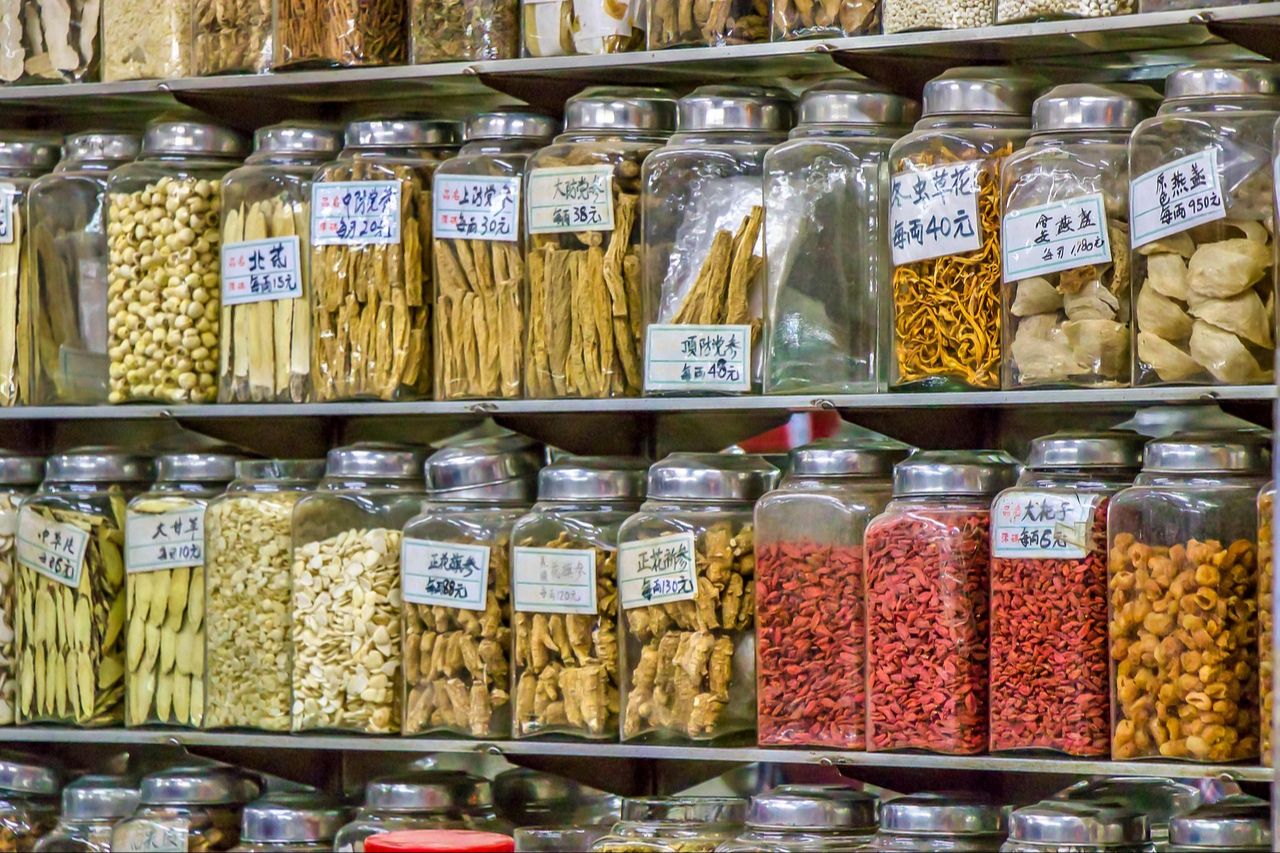
Chinese Herbal Medicine
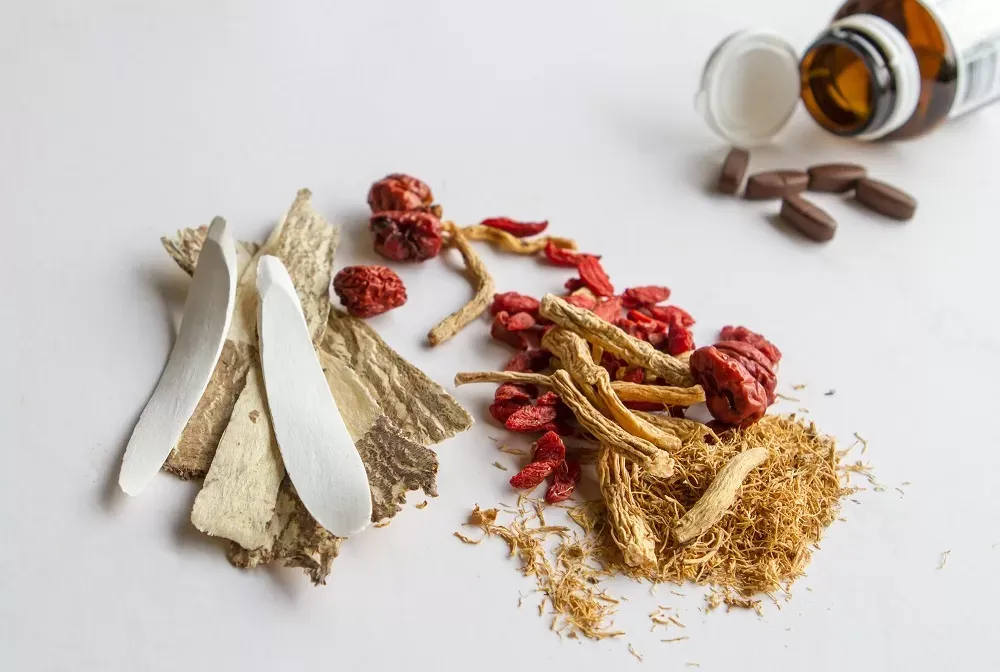
Herbal medicine is the main branch of Chinese Medicine – an elegant tradition of roots, barks, flowers, and minerals combined to meet your individual needs. Rather than standard formulas, each prescription is personalised to address both symptoms and underlying causes, encouraging the body’s own return to balance.
Common areas supported by herbs:
-
Digestive health – IBS, bloating, reflux
- Respiratory support – asthma, chronic cough, seasonal allergies
- Women’s health and hormonal balance – PMS, menstrual pain, fertility, menopause (e.g. hot flushes)
- Auto‑immune and inflammatory issues
- Fatigue, stress, anxiety and sleep disturbance
- Recovery support during chronic illness or convalescence
- Skin conditions – eczema, acne, psoriasis
Herbs are gently powerful, nourishing and re‑balancing the body’s internal systems for sustainable improvement rather than short‑term health fixes.
CLINICALLY SUPERVISED PRACTICE
I’m presently in my final clinical year as a Chinese herbalist. All herbal treatments are clinically supervised by the UK’s top Chinese Herbal Practitioners, ensuring every formula is reviewed for suitability, safety, and effectiveness. This structure allows you to receive individualised (and cost‑efficient) care with professional oversight at each stage. All consultations are conducted online remotely, so you can access care wherever you are.
Commitment & Consistency
Chinese herbal medicine works cumulatively. It is not a quick “boost” or symptom patch — it restores balance gradually by correcting underlying patterns in the body.
For treatment to be effective, herbs must be taken consistently (usually twice daily) and supported by appropriate diet and lifestyle guidance. Irregular dosing, missed follow‑ups, or major dietary disruption will significantly reduce results.
This is a collaborative process. Steady commitment over time creates meaningful change.
CONSULTATION
Each herbal plan begins with an online video consultation (up 60 minutes). I’ll review health history, diet, and lifestyle, then design a bespoke combination of 5–20 herbs prepared by a licensed UK or EU pharmacy. Formulas are supplied as easy‑to‑mix granules, taken as a warm tea. As your condition changes, your prescription evolves with you.
Follow‑Up & Review
Herbal prescriptions are designed in response to your current presentation and must be reviewed and adjusted as your condition changes. Chinese medicine is not mechanical — formulas evolve with you.
Regular follow‑ups (often monthly during active treatment) are an essential part of care. Please book your follow‑up appointments (which are typically shorter) when advised rather than waiting until herbs run low or symptoms flare.
SUMMARY
Treatment works when it is taken seriously. If you are unsure about committing to consistent dosing and follow‑ups, it may be better to wait until the timing is right.
Acupuncture
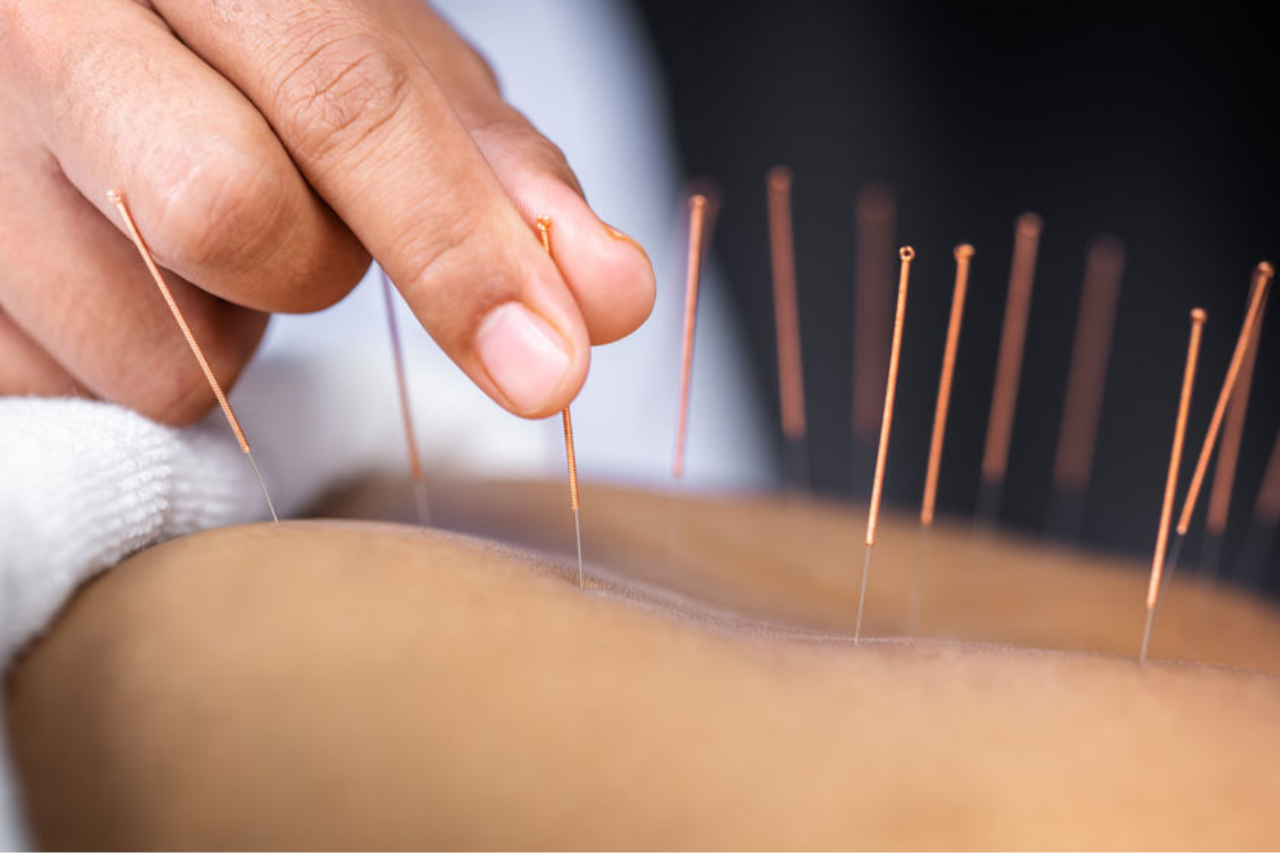
Acupuncture is part of the living system of Traditional Chinese Medicine, refined over centuries to support the body’s natural capacity for healing. With fine, sterile needles placed at specific points, treatment encourages circulation, reduces inflammation, quiets the nervous system, and restores harmony between body and mind.
Common reasons people come to acupuncture:
- Chronic or acute pain – back, neck, shoulders, knees
- Musculoskeletal and sports injuries
- Digestive issues – IBS, reflux, bloating
- Women’s health – menstrual irregularities, fertility, menopause
- Stress, anxiety, fatigue, poor sleep
- Respiratory symptoms and headaches
WHAT TO EXPECT
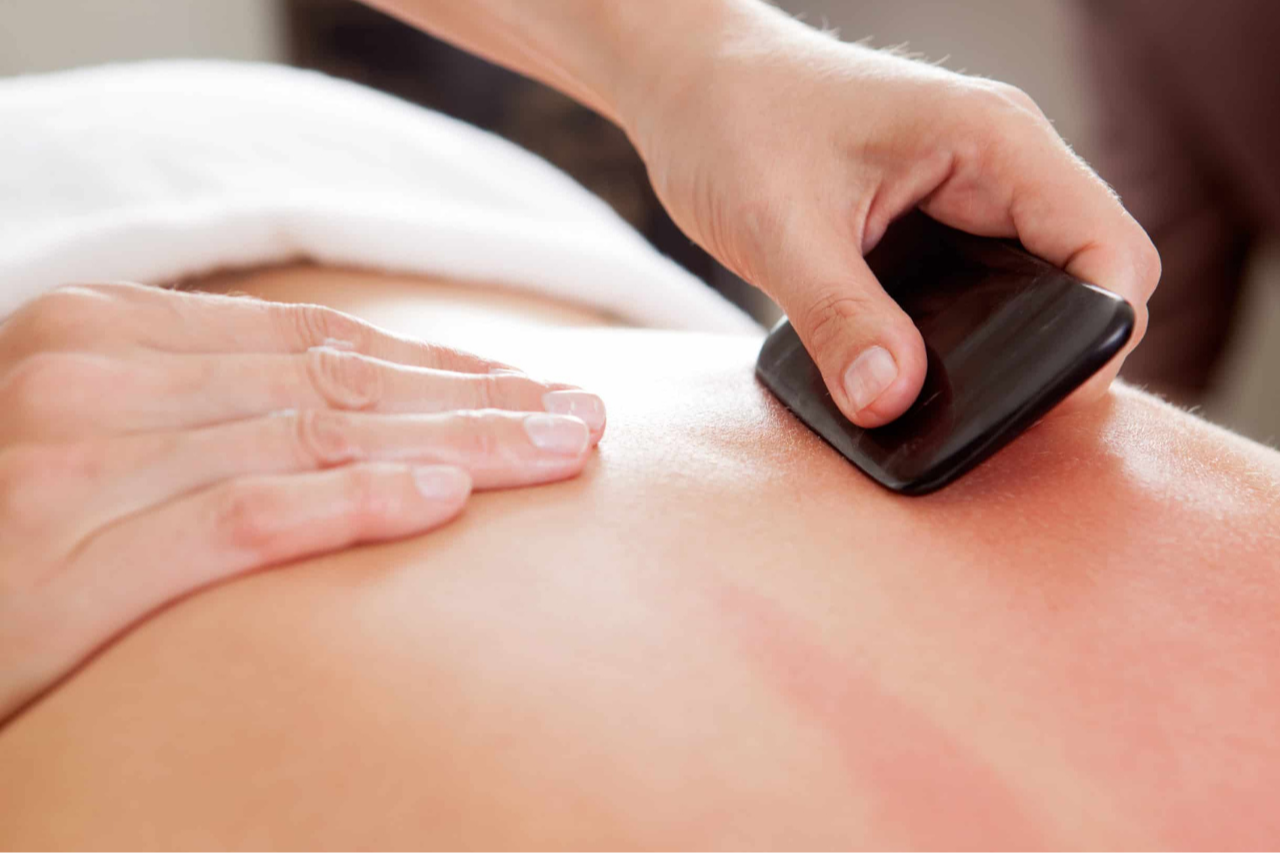
Each session includes a full consultation using classical diagnosis (tongue, pulse, observation). Sessions may also draw on moxibustion, cupping, or gua sha where appropriate, to warm, release, or move Qi. All treatments take place in a calm, confidential space – modern methods rooted in timeless medicine.
SUMMARY
Herbs and acupuncture work best when supported by appropriate diet, rest, and rhythm.
Any questions before booking? Feel free to get in touch.
Message MeFrequently Asked Questions
1. What is Chinese Medicine?
Chinese medicine is a complete medical system that has evolved over thousands of years. It combines detailed diagnosis with treatments such as acupuncture, herbal medicine, dietary guidance, and lifestyle adjustment.
Rather than isolating symptoms, it identifies patterns of imbalance — how digestion, sleep, hormones, immunity, stress, and circulation relate to one another. Treatment aims not only to relieve symptoms, but to restore deeper balance and resilience.
2. What can Chinese Herbal Medicine help with?
In my practice, herbal medicine is commonly used to support:
- Digestive concerns (IBS, reflux, bloating)
- Hormonal imbalance (PMS, fertility, menopause)
- Fatigue, anxiety, sleep disturbance
- Auto‑immune and inflammatory conditions
- Skin disorders (eczema, acne, psoriasis)
- Respiratory conditions (asthma, allergies, chronic cough)
- Recovery during chronic illness or convalescence
Chinese herbal medicine is especially suited to chronic or complex conditions.
3. What does treatment involve?
Your initial herbal consultation (online, around 60 minutes) includes:
- A full case history
- Discussion of diet and lifestyle
- Classical Chinese diagnosis
- A personalised prescription (typically 5–20 herbs)
Herbs are dispensed as granules prepared by a licensed UK, EU, USA or Canadian pharmacy and taken as a warm tea.
Follow‑up consultations are essential. Herbal medicine is not mechanical — formulas must evolve as your condition changes.
It is your responsibility to book your follow‑up appointments when advised. Please do not wait until you are nearly out of herbs or until you “see how it goes.” Book in and commit.
4. How do I take the herbs?
Modern Chinese herbal medicine is taken in granule form. Empty one sachet (or take a prescribed number of teaspoons) into a cup.
Add approximately 150ml of boiling water and stir well to dissolve.
Leave 5–10 minutes, then drink.
You may add a little honey or apple juice to taste.
5. How is Chinese Herbal Medicine different from simply taking Western medication?
Chinese herbal medicine works in a fundamentally different way to most conventional pharmaceutical treatment.
Western medicine is often designed to target a specific symptom or pathogen — for example reducing inflammation, suppressing acid, regulating blood pressure, or eliminating bacteria. This can be extremely effective and sometimes life‑saving. However, it often focuses on controlling a defined mechanism.
Chinese herbal medicine approaches illness differently.
Rather than targeting a single symptom, formulas are constructed to correct an underlying pattern of imbalance — the terrain in which symptoms arise. A prescription may simultaneously:
- Strengthen what is weak
- Clear what is excessive
- Regulate digestion
- Support circulation
- Calm the nervous system
Each formula is bespoke and evolves as your condition changes.
Because herbs are working to re‑pattern the system rather than suppress a single process, consistency is key. The aim is not short‑term symptom control, but deeper and more sustainable change.
This is why:
- Herbs must be taken consistently (usually twice daily).
- The full course must be completed.
- Follow‑ups must be attended at the appropriate time.
Treatment works when it is taken seriously. Irregular dosing or delaying reviews significantly reduces effectiveness.
Herbal medicine is a collaborative process — a steady re‑orientation toward balance, rather than a quick intervention.
6. How long will treatment take?
This depends on the nature and duration of your condition.
Acute issues may resolve quickly.
Chronic patterns often require several months of steady treatment.
Meaningful change comes through rhythm — consistent dosing, appropriate diet, and regular review.
7. Do Chinese herbal formulas contain animal products?
This is a common and important question.
Animal substances do exist within the broader Chinese medical tradition. However:
- In the UK, the use of animal products is not permitted.
- Endangered species are strictly illegal and not used in ethical practice.
- The formulas I prescribe are primarily plant‑ and mineral‑based.
In some parts of Europe and North America, certain legally permitted animal‑derived substances are available. Where such substances are legally allowed, patients are always informed and may choose whether or not they wish to include them.
If you prefer a fully plant‑based formula, this can always be accommodated. Your values are respected.
8. Is Chinese herbal medicine safe and how is it regulated?
When prescribed by a properly trained practitioner and dispensed through licensed pharmacies, Chinese herbal medicine has a very strong safety record.
I am a member of the Register of Chinese Herbal Medicine (RCHM) — the UK’s main professional body for Chinese herbal practitioners. RCHM members:
- Undertake extensive training in Chinese herbal medicine
- Study Western medical sciences and herb–drug interactions
- Adhere to strict professional and ethical codes
- Maintain ongoing continuing professional development
- Carry professional indemnity insurance
Herbs are dispensed through licensed pharmacies that follow legal import regulations and quality control procedures. Endangered species are strictly prohibited.
Every formula I prescribe is:
- Individually designed
- Reviewed for suitability and safety
- Checked for herb–drug interactions
Please inform me of all medications and supplements you are taking so your prescription can be adjusted appropriately.
Chinese Herbal medicine is powerful and nuanced. It should always be prescribed by a qualified practitioner — not self‑prescribed or purchased casually online.
9. What if I email with questions?
If you have practical questions about your herbs, you are welcome to email.
10. What if I’m unsure about committing?
Herbal medicine is not a casual or occasional intervention.
If you are unsure about taking herbs twice daily, adjusting your diet, and attending follow‑ups when advised, it may be better to wait until the timing is right.
When you are ready — book in and commit.
Book a Consultation